
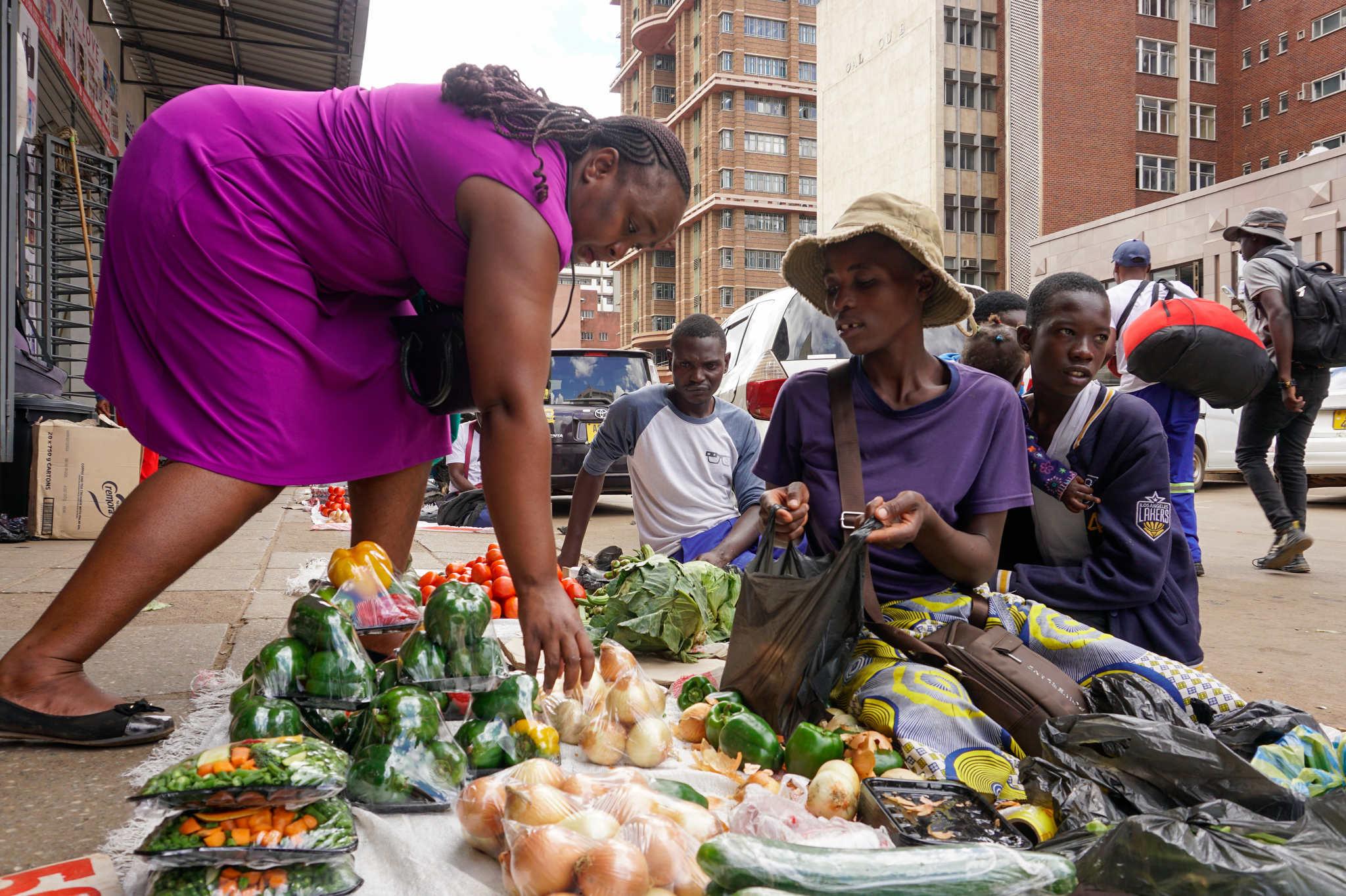
A practical guide for freelancers, hustlers, and self-employed Zimbabweans
If you’re hustling in Harare, Bulawayo, or smaller towns, chances are your income doesn’t come on a neat schedule. One month you might be making a lot, the next month hardly anything. Freelancers, vendors, drivers, creatives, you know the feeling.
Here’s the good news: you can budget, even when your earnings are unpredictable. It just takes the right strategy.
1. Know Your True Income
Before you create a budget, you need to understand your income patterns. Too often, hustlers budget based on a high-earning month, which sets unrealistic expectations.
How to start
- Look at your last 3–6 months of income.
- Write down your highest month, lowest month, and average month.
- Use the lowest month as your baseline for essential expenses.
For example:
- A Harare graphic designer earns:
- $600 in a busy month
- $250 in a slow month
- Budget around $250, not $600. Any extra becomes bonus money for savings, business growth, or paying off debt.
Tip: If you’re paid in ZWL, USD, or multiple currencies, consider converting everything to one base currency to avoid confusion when budgeting.
2. Separate Needs vs. Wants
The key to surviving on irregular income is prioritizing needs over wants. This helps ensure you never run out of money for essentials.
Survival expenses (non-negotiable):
- Rent or lodge fees
- Food & groceries
- Transport & fuel
- Electricity, water, and mobile data
- School fees or essential bills
Lifestyle expenses (adjustable):
- Eating out or takeaway
- Entertainment subscriptions
- New gadgets or clothes
for example:
- A kombi driver or cross-border trader in Mbare needs fuel and transport for their hustle (survival).
- Weekend outings to Avondale Flea Market or eating at a café are optional (wants).
Tip: If your wants consistently consume your money, try using cash envelopes or separate wallets for survival and lifestyle expenses.
3. Budget Using Your Lowest Month
This method prevents financial stress during slow months. By budgeting based on your worst-case scenario, you’re always prepared.
How to do it:
- Identify your lowest-earning month from the past 3–6 months.
- Plan your essential expenses around this figure.
- Treat any extra income as a bonus, not something to spend immediately.
Example:
- Your lowest month = $200
- Survival expenses = $180
- Extra $20 → save, invest, or pay down debt
Pro tip: Allocate bonuses into specific categories:
- Emergency fund
- Business reinvestment
- Debt repayment
- Future expenses (school fees, rent advance)
4. Build an Emergency Fund
Unexpected events happen: load shedding, illness, sudden rent increases, or slow markets. An emergency fund acts as a financial buffer.
How to start:
- Save small amounts consistently ($5–$10 per week).
- Keep it separate from your daily spending money (bank account, mobile wallet, or cash jar).
- Aim for 1–3 months of survival expenses.
For example:
- A small business owner in Gweru sets aside $10 per week.
- After 3 months, they have $120 in an emergency fund, enough to cover a slow month’s rent or groceries.
Tip: Don’t touch this fund unless it’s truly an emergency—think of it as insurance for your income fluctuations.
5. Pay Yourself a Fixed “Salary”
If you run a business or hustle, your earnings are not all for personal spending. Paying yourself a consistent “salary” helps you manage money better and avoid overspending.
Steps:
- Decide on a fixed amount to pay yourself monthly.
- Transfer this amount to your personal account or wallet.
- Keep the rest for business expenses, reinvestment, and savings.
Example:
- A content creator earns $400 one month → pays themselves $300 consistently, leaves $100 for business growth.
- Even if the next month they earn $250, they already know what their personal budget is.
Pro tip: This also helps you plan long-term goals like buying a car, investing in stock, or starting another side hustle.
6. Try Weekly Budgets
Monthly budgets can feel overwhelming when your income is unpredictable. Weekly budgets allow more flexibility and reduce anxiety.
How to do it:
- Break your survival expenses into weekly chunks.
- Adjust spending based on income received.
- Track how much you spend each week and compare to your planned budget.
For example:
- A street vendor in Mutare earns ZWL $10,000 one week and ZWL $4,000 the next.
- Weekly budgeting helps them cover essentials without running out of cash.
Tip: Use phone apps or a simple notebook to track weekly income and expenses—consistency is key
7. Track Every Dollar
Even small amounts matter when income is irregular. Tracking all money in and out gives clarity and control.
How to start:
- Track every dollar for 30 days.
- Record earnings from each hustle or gig.
- Record every expense, no matter how small.
- After 30 days, analyse your patterns and adjust your budget.
For example:
- A freelance writer in Harare tracks every dollar from Fiverr gigs, tutoring, and side hustles.
- After a month, they see patterns, some weeks are predictable, others are slow, and can plan accordingly.
Final Thoughts
Budgeting on irregular income isn’t about restriction, it’s about control.
When you plan around your worst month:
- Anxiety goes down
- Good months feel like bonus months
- Progress becomes visible
Your income might be unpredictable, but your decisions don’t have to be.

Leave a comment
Your email address will not be published. Required fields are marked *